
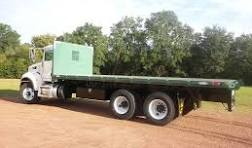
A Flat Truck is one of the most versatile vehicles used for transporting heavy, oversized, and irregularly shaped loads. Unlike enclosed trucks, flat trucks feature an open, level Flat Truck platform that makes loading and unloading much easier. They are widely used in construction, agriculture, manufacturing, logistics, and many other industries where traditional cargo trucks may not be practical.
Understanding how flat trucks work, where they are used, and what features to consider can help businesses and individuals choose the right vehicle for their transportation requirements.
What Is a Flat Truck?
A flat truck is a commercial vehicle designed with a flat, open cargo bed without permanent side walls or a fully enclosed body. The open design allows cargo to be loaded from different directions, making it particularly useful for large machinery, building materials, equipment, pipes, timber, and other bulky goods.
Flat trucks are available in different sizes and load capacities. Some are compact enough for local deliveries, while heavy-duty models are designed to carry substantial industrial equipment over long distances.
Common Uses of Flat Trucks
Flat trucks are used across a wide range of industries because of their flexible cargo platform. Their applications depend largely on their size, payload capacity, and equipment.
Construction Material Transportation
Construction companies frequently use flat trucks to transport materials such as steel beams, bricks, concrete products, lumber, scaffolding, pipes, and construction machinery. The open platform makes it easier to load materials using cranes, forklifts, or other lifting equipment.
Machinery and Equipment
Heavy machinery can be difficult to load into enclosed vehicles. A flat truck provides an open surface suitable for transporting generators, tractors, excavators, industrial equipment, and other large machines. Proper tie-down systems help keep equipment secure during transportation.
Agricultural Applications
Farmers and agricultural businesses can use flat trucks to move tractors, farming equipment, hay, feed, tools, and harvested products. The flexible cargo area can accommodate different types of agricultural loads, making the vehicle useful throughout the farming season.
Manufacturing and Industrial Logistics
Manufacturers often need to move large components, metal products, machinery, and raw materials between facilities. Flat trucks provide an efficient way to handle these items, especially when their dimensions make enclosed transportation difficult.
Oversized Cargo
One of the biggest advantages of a flat truck is its ability to handle oversized cargo. Items that are too wide, tall, or long for enclosed truck bodies can often be transported more conveniently on an open platform, subject to applicable transportation regulations.
Benefits of Using a Flat Truck
The popularity of flat trucks comes from their practical design and versatility. Several benefits make them valuable for commercial transportation.
Easy Loading and Unloading
Because the cargo area is open, materials can generally be loaded from the rear, sides, or top. This flexibility can reduce loading time and make it easier to use cranes and forklifts.
Suitable for Large and Irregular Loads
A flat truck does not have a fixed enclosed cargo space that limits the shape of the load. This makes it suitable for long, wide, tall, or unusually shaped items that cannot fit comfortably inside standard delivery trucks.
Improved Loading Flexibility
The flat platform can accommodate a wide variety of cargo types. Businesses do not necessarily need different vehicles for every type of shipment, which can make transportation operations more flexible.
Efficient Industrial Transportation
For businesses moving heavy equipment and construction materials, flat trucks can simplify logistics. Their design supports quick cargo handling and can be particularly useful when multiple loading and unloading locations are involved.
Variety of Sizes and Capacities
Flat trucks come in numerous configurations. Buyers can select smaller models for lighter deliveries or heavy-duty vehicles for demanding industrial applications. Choosing a vehicle that matches the expected payload can improve operational efficiency.
Important Features to Consider
Selecting the right flat truck requires more than simply choosing the largest available vehicle. Several factors should be evaluated before making a decision.
Payload Capacity
Payload capacity is one of the most important considerations. Determine the maximum weight of the loads you expect to transport and choose a truck with an appropriate capacity. Avoid regularly operating a vehicle beyond its recommended payload.
Platform Dimensions
Consider the length, width, and usable surface area of the cargo platform. If you regularly transport long materials or large machinery, a larger platform may be necessary.
Cargo Securing Systems
Since flat trucks have open platforms, cargo must be secured properly. Look for suitable tie-down points, rails, straps, chains, and other approved securing equipment. Properly secured loads help reduce movement and transportation risks.
Engine and Performance
For heavy-duty applications, engine performance is another important factor. Consider the truck’s power, transmission, fuel efficiency, and expected operating conditions. A vehicle that frequently carries heavy loads may require stronger performance than one used for lighter local deliveries.
Suspension and Braking
A reliable suspension system can improve handling when carrying heavy cargo. Strong braking performance is equally important because heavier loads require greater stopping capability.
Durability
If the truck will operate on construction sites, farms, industrial areas, or rough roads, durability should be a priority. A strong chassis and high-quality cargo platform can help the vehicle withstand demanding working conditions.
Flat Truck vs. Enclosed Truck
The main difference between a flat truck and an enclosed truck is the cargo body. Enclosed trucks provide protection from weather and unauthorized access, while flat trucks prioritize accessibility and cargo flexibility.
An enclosed truck may be better for packaged goods, retail products, and shipments requiring protection from rain or dust. A flat truck is generally more suitable for machinery, construction materials, oversized equipment, and loads that require crane or forklift access.
Safety Considerations
Safety should always be a priority when operating a flat truck. Cargo should be distributed evenly across the platform and secured using appropriate equipment. Operators should also check that the total load remains within the vehicle’s rated capacity.
Before starting a trip, inspect tie-downs, tires, brakes, lights, and other important components. Drivers should also be aware of the vehicle’s dimensions, especially when transporting wide or tall loads. Depending on the cargo and location, additional permits, markings, or safety equipment may be required.
Maintenance Tips
Regular maintenance helps keep a flat truck reliable and productive. Inspect the cargo platform for cracks, corrosion, or structural damage. Check tires regularly and maintain proper tire pressure according to manufacturer recommendations.
Engine oil, filters, brakes, suspension components, lights, and other systems should be inspected according to the manufacturer’s maintenance schedule. Cargo securing equipment should also be checked frequently for wear or damage.
How to Choose the Right Flat Truck
Start by identifying the type of cargo you transport most frequently. Next, determine its average and maximum weight, dimensions, and loading requirements. Consider whether the truck will operate mainly in cities, highways, construction areas, farms, or industrial locations.
Budget is also important. Consider not only the purchase price but also fuel consumption, insurance, maintenance, tires, and operating costs. A truck with a higher initial price may provide better long-term value if it offers greater durability and efficiency.
It is also wise to consider future transportation needs. Choosing a vehicle with sufficient capacity for expected business growth can help avoid replacing the truck too soon.
Conclusion
A Flat Truck provides a practical transportation solution for businesses and industries that regularly handle heavy, oversized, or irregularly shaped cargo. Its open platform allows flexible loading and unloading while supporting a wide range of applications, from construction and agriculture to manufacturing and logistics.
The right choice depends on factors such as payload capacity, platform dimensions, engine performance, durability, safety features, and operating costs. By carefully evaluating these requirements and maintaining the vehicle properly, businesses can use a flat truck as a reliable and efficient part of their transportation operations.