
Introduction
Wireless earbuds have become an essential accessory for people who enjoy music, podcasts, online meetings, and other audio content throughout the day. Traditional earbuds usually sit inside the ear canal, creating a listening experience that can reduce awareness of surrounding sounds. open ear wireless earbuds offer a different approach by allowing users to enjoy audio while keeping their ears relatively unobstructed.
This innovative design is attracting attention among commuters, outdoor enthusiasts, fitness lovers, and professionals who want convenient audio without completely disconnecting from their surroundings. By combining wireless connectivity, comfortable construction, and modern sound technology, open ear earbuds provide an alternative to conventional listening devices.
Understanding how these earbuds work, what makes them different, and which features matter most can help consumers decide whether they are suitable for their lifestyles.
What Are Open Ear Wireless Earbuds?
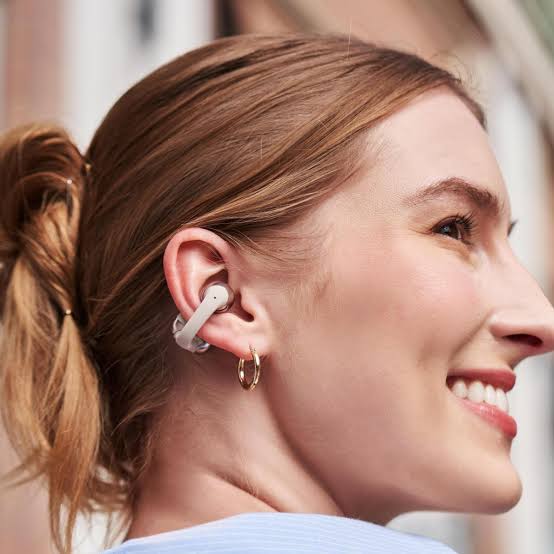
Open ear wireless earbuds are audio devices designed to deliver sound without sealing the ear canal in the same way as many traditional in-ear models. Depending on the design, they may rest outside the ear, attach around the ear, or use directional sound technology to deliver audio toward the listener.
Their primary advantage is the combination of personal audio and environmental awareness. Users can listen to their favorite content while remaining more able to hear conversations, announcements, and other sounds around them.
Understanding the Open Ear Design
Traditional earbuds generally rely on a snug fit inside the ear canal. This arrangement can help isolate external noise and create an immersive listening experience. Open ear designs take another approach by leaving the ear canal unobstructed.
Some models use small speakers positioned near the ears, while others employ directional audio technology to guide sound toward the listener. Bone conduction headphones are another related category, but they transmit vibrations through the bones rather than relying on conventional air-conduction speakers.
These designs provide different listening experiences, so consumers should compare the technology used by each product before making a purchase.
How Wireless Connectivity Improves Convenience
Most modern open ear earbuds use Bluetooth to connect with smartphones, tablets, laptops, and other compatible devices. This wireless connection eliminates the need for a physical audio cable and allows users to move more freely.
Bluetooth connectivity makes it convenient to switch between activities such as listening to music, answering calls, and participating in online meetings. Depending on the model, additional features may include multipoint connectivity, touch controls, and voice assistant support.
The availability of these functions varies by product, making it important to check specifications before buying.
Enjoying Clear Audio Without Blocking the World
One of the most appealing characteristics of open ear wireless earbuds is their ability to combine personal listening with greater awareness of surrounding sounds.
Balanced Sound for Everyday Listening
Modern open ear earbuds can produce clear vocals, detailed audio, and balanced sound for different types of content. Their performance depends on speaker quality, acoustic design, tuning, and the environment in which they are used.
Music lovers can enjoy playlists, while students may listen to educational recordings and professionals can participate in calls. A well-designed pair should provide intelligible speech and a comfortable listening experience at reasonable volume levels.
However, open ear designs often provide less bass impact and noise isolation than well-fitted traditional earbuds. External noise can also interfere with listening, particularly in busy streets or crowded public spaces.
Maintaining Environmental Awareness
Because open ear earbuds do not completely seal the ear canal, surrounding sounds may remain more audible during playback. This can be helpful when walking in familiar areas, listening for announcements, or talking with someone nearby.
For example, a person working at home might listen to background music while remaining aware of a family member speaking. Similarly, someone walking through a public building may hear general announcements without removing their earbuds.
Environmental awareness varies with the design, listening volume, and background noise. Open ear earbuds do not guarantee that every surrounding sound will be heard, so users should remain attentive and avoid relying on them as a substitute for direct observation.
Benefits for Exercise and Outdoor Activities
Open ear wireless earbuds are particularly appealing to people who enjoy exercising outdoors. Their design can provide a comfortable alternative for users who dislike placing conventional earbuds inside their ear canals.
A Convenient Option for Walking and Running
Many open ear models are designed to stay in place during everyday movement. Ear hooks, flexible supports, and lightweight materials can help improve stability during walking, jogging, and other activities.
Listening to music or a podcast can make exercise more enjoyable, while the open design may help users remain aware of nearby people and environmental sounds.
Nevertheless, fit and stability differ between models. Consumers should check the product’s intended activities and choose a secure fit that remains comfortable during movement.
Safety should always come first. When exercising near roads, crossings, bicycles, or other potential hazards, keep the volume low and remain attentive to traffic and surroundings. In particularly noisy or dangerous environments, removing the earbuds may be the safer option.
Useful Features for Active Lifestyles
Certain models include water or sweat resistance, making them suitable for workouts and outdoor use within their specified limits. Lightweight construction and convenient controls can also improve usability during exercise.
Before buying, check the product’s water-resistance rating and care instructions. Resistance to sweat does not automatically mean that earbuds are suitable for swimming or complete submersion.
Comfort and Design for Extended Listening
Comfort plays a major role in determining whether wireless earbuds are suitable for daily use. Even excellent audio quality may not compensate for a design that becomes uncomfortable after a short period.
Reducing Pressure Inside the Ear Canal
Because open ear earbuds generally avoid sealing the ear canal, some users find them less intrusive than traditional in-ear products. This can be particularly attractive to people who dislike silicone ear tips or the plugged sensation associated with certain earbuds.
However, comfort is subjective. Ear shape, device weight, contact points, and wearing position all affect the experience.
Consumers should look for an ergonomic design that fits securely without creating excessive pressure. If possible, trying a product before purchasing can help determine whether it suits individual preferences.
Lightweight Construction and Practical Controls
Manufacturers often focus on compact designs and lightweight materials to make open ear earbuds easier to wear throughout the day.
Physical buttons or touch controls may allow users to adjust volume, pause playback, and answer calls without reaching for a smartphone. Some models also provide application-based settings for sound customization.
The most practical design is one that makes common tasks simple without requiring constant adjustments.
Call Quality and Wireless Performance
Open ear earbuds are not limited to music playback. Many models include microphones for phone conversations, video calls, and online meetings.
Clear Conversations in Different Environments
Microphone quality can influence how well a listener’s voice is transmitted during a call. Some earbuds include noise-reduction algorithms that attempt to reduce background interference and make speech easier to understand.
However, microphone performance varies considerably. Wind, traffic, crowds, and other environmental sounds may still affect call clarity.
People who frequently participate in professional meetings should look for detailed microphone tests rather than relying exclusively on marketing descriptions.
Stable Bluetooth Connections
A reliable Bluetooth connection helps maintain consistent audio playback and reduces interruptions. Connection stability depends on the earbuds, the connected device, wireless interference, and the supported Bluetooth features.
Some models may also support multipoint connectivity, allowing them to connect to two devices simultaneously. This can be useful for switching between a laptop and smartphone, although the exact behavior depends on the product.
Checking compatibility and connectivity features before purchasing can prevent unnecessary frustration.
Battery Life and Charging Convenience
Battery performance is another important consideration when choosing open ear wireless earbuds.
Many models provide several hours of playback on a single charge, while charging cases can offer additional listening time. Actual battery life depends on volume, connectivity settings, call usage, and other factors.
Choosing Suitable Battery Capacity
People who listen occasionally may be comfortable with a shorter battery life. Frequent listeners, commuters, and professionals may prefer a model that supports longer sessions between charges.
Manufacturer battery estimates are useful starting points, but independent testing can provide a clearer picture of everyday performance.
Understanding Charging Options
Different products use different charging methods, including USB-C cables and dedicated charging cases. Some models offer quick charging, which can provide additional playback time after a short charging session.
Consumers should check how long the earbuds take to charge, whether the case is included, and how easily replacement accessories can be obtained.
Important Factors to Consider Before Buying
Choosing suitable open ear wireless earbuds involves more than comparing prices or selecting the most attractive design.
First, consider audio quality and whether the earbuds provide the clarity needed for music, podcasts, or calls. Next, evaluate comfort, fit, and stability according to your usual activities.
Battery life should match your daily routine, while Bluetooth compatibility should suit your existing devices. If you plan to exercise, check the product’s durability and water-resistance specifications.
It is also useful to review microphone performance, control options, warranty coverage, and customer feedback.
Finally, consider your listening environment. Open ear earbuds can be useful in settings where awareness matters, but they may be less suitable for noisy locations where external sounds make audio difficult to hear.
Conclusion
Open ear wireless earbuds combine personal audio with a design that allows users to remain more connected to their surroundings. By avoiding a complete seal inside the ear canal, they provide an alternative for people who value comfort, convenience, and environmental awareness during everyday activities.
Features such as Bluetooth connectivity, lightweight construction, integrated microphones, and practical charging options make these earbuds suitable for a variety of situations, from working at home to walking and exercising outdoors.
However, not every model offers the same sound quality, battery performance, or fit. Consumers should compare specifications, examine independent reviews, and consider their personal needs before making a decision.
Ultimately, the best open ear wireless earbuds are those that deliver comfortable, clear audio while supporting the activities and environments in which they will be used. With careful research and realistic expectations, buyers can find a practical audio solution that balances listening enjoyment with awareness of the world around them.